WPFresher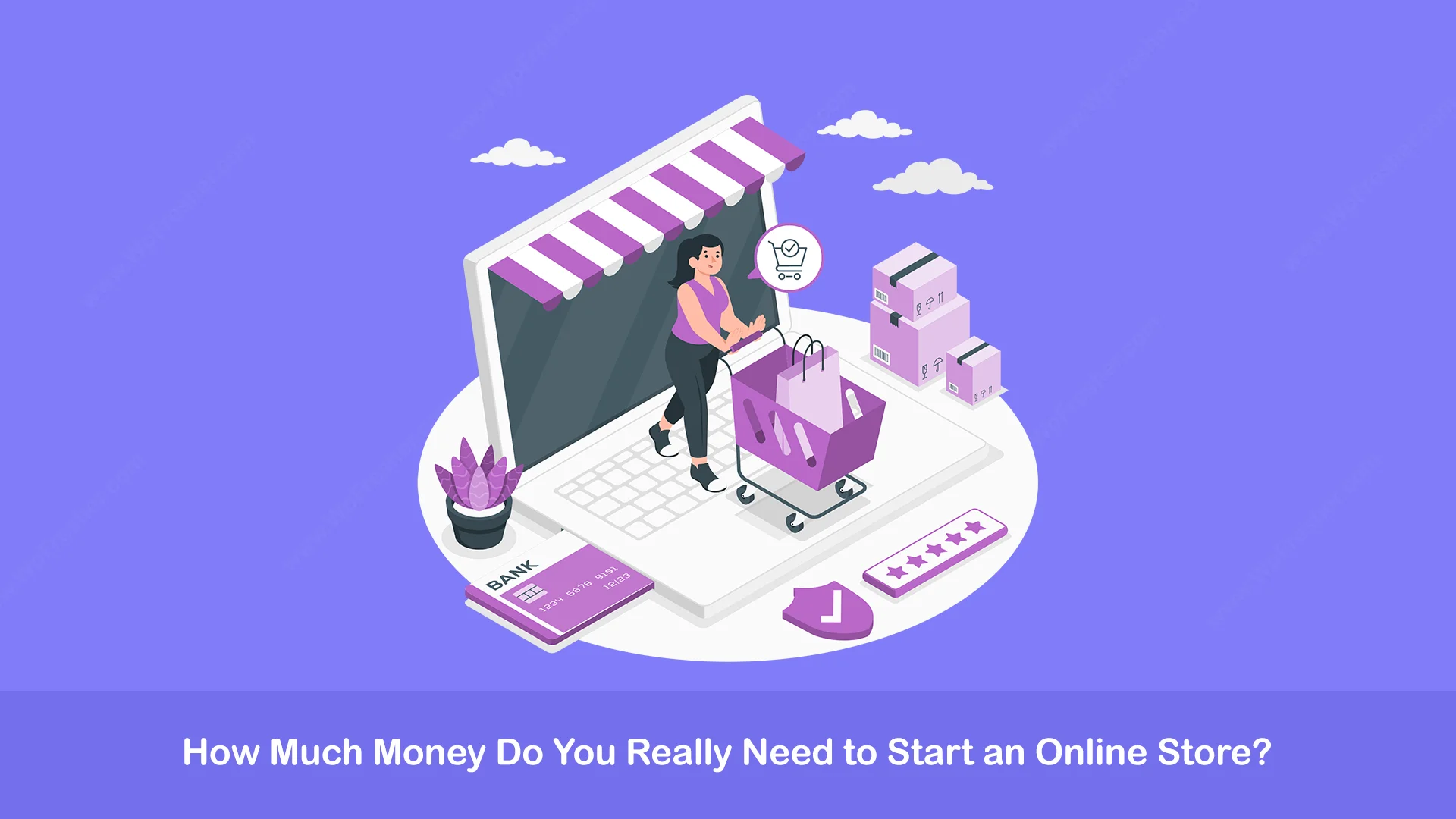
Starting an online store sounds exciting. You pick a product, set up a website, and start selling. Simple, right? Well, not exactly. A lot of first-time store owners jump in without understanding where their money will actually go, and many of them end up overspending in the wrong areas or running out of budget before they ever make a sale.
The good news is that launching an e-commerce store does not have to cost a fortune. But you do need to understand what you are paying for, why you are paying for it, and what you can safely skip in the early days.
This article walks you through every major cost category you will face when starting an online store. Whether you are working with $500 or $5,000, by the end of this guide, you will have a clear picture of what to expect.
Your Domain Name
Your domain name is your store’s address on the internet. It is usually the first thing you buy, and thankfully, it is one of the cheapest parts of launching a store.
A top-level .com domain name typically costs between $10 and $20 per year. Some registrars run promotions where you can grab your first year for as little as $1, but the renewal price usually goes back up to the regular rate, so keep that in mind.
If you want a .store, .shop, or .online domain extension, prices vary. Some are cheaper than .com, and some are a little more expensive. The important thing is to pick something short, easy to spell, and easy to remember.
When choosing a domain registrar, look for one that includes free WHOIS privacy protection. This hides your personal contact information from public-domain lookup tools, and many registrars now offer it for free.
Budget estimate: $10 to $20 per year.
Web Hosting
After your domain, you need hosting. This is the service that keeps your website online and accessible to visitors around the world.
Your hosting costs will depend heavily on which e-commerce platform you choose. There are two main paths most new store owners take.
The first path is using a hosted platform like Shopify, BigCommerce, or Wix. With these platforms, hosting is included in your monthly subscription. You do not have to set anything up yourself. The platform handles servers, security, and updates. Shopify’s basic plan currently starts at around $39 per month, though they offer a starter option at a lower price for very simple setups. These platforms are great for beginners because everything is managed for you.
The second path is using a self-hosted platform like WooCommerce, which runs on top of WordPress. WooCommerce itself is free, but you need to pay for hosting separately. Shared hosting plans suitable for a new store start at around $3 to $10 per month, while managed WordPress hosting with better performance starts at $20 to $50 per month.
If you are comfortable with a bit of technical setup, the WooCommerce route tends to be more affordable in the long term and gives you much more control over your store. If you want simplicity and speed, a hosted platform like Shopify saves you a lot of headaches upfront.
Budget estimate: $3 to $50 per month, depending on your platform.
SSL Certificate
When people shop online, they need to know their payment information is safe. An SSL certificate encrypts the data between your store and your customer’s browser. It is the reason some website addresses start with “https” instead of “http,” and it is the little padlock you see in the browser bar.
Without an SSL certificate, customers will see a “Not Secure” warning in their browser, and most of them will leave immediately. Search engines like Google also penalize websites without SSL.
The good news is that SSL is now either included for free or available at very low cost with most hosting plans. Many hosting companies offer free SSL through Let’s Encrypt. If you are using Shopify or another hosted platform, SSL is automatically included.
Pro Tips: If you are interested in using CloudFlare CDN server, it doesn’t matter which plan you used, whether you chose FREE or premium, whatever you chose, they provide a free SSL certificate for life. This will reduce your cost to launch your online business.
Budget estimate: $0 to $70 per year, often free with most hosting plans.
E-Commerce Platform or Theme
If you go with a hosted platform like Shopify, the platform subscription covers most of what you need. However, you may want to purchase a premium theme to make your store look more professional. Free themes are available, but paid themes often have better design, more customization options, and features built specifically for conversions.
Premium Shopify themes typically cost between $180 and $350 as a one-time purchase. There are also third-party marketplace themes available at a lower price.
If you go the WooCommerce route, there are thousands of free and paid WordPress themes designed for online stores. A quality paid WooCommerce theme usually costs between $40 and $100 as a one-time fee.
You might also need premium plugins to add features that do not come out of the box. Things like advanced shipping calculators, subscription billing, product bundles, or loyalty programs often require paid extensions. Budget a small amount for plugins depending on your specific needs.
Looking for Free WooCommerce plugins?
BeautifulPlugins provide many more WooCommerce plugins for free by the way they also provide pro version if you want to super charge your store then you should go witht here pro plans. Explore Plugins
Budget estimate: $0 to $350 for a theme, plus $0 to $200 for essential plugins.
Payment Processing
To accept money from customers, you need a payment processor. The most popular options are Stripe, PayPal, and Square. Shopify also has its own payment system called Shopify Payments.
Payment processors do not usually charge a monthly fee, but they take a small percentage of every sale you make. The standard rate for most processors is around 2.9% plus $0.30 per transaction. So if someone buys a $50 item from your store, you would pay roughly $1.75 in transaction fees.
Some platforms also charge an additional transaction fee on top of the payment processor fee if you use a third-party payment gateway. Shopify, for example, charges an extra 0.5% to 2% if you do not use Shopify Payments.
When calculating your product prices and profit margins, always factor in these transaction fees. They add up quickly when you are processing a large number of orders.
Budget estimate: No upfront cost, but 2.9% + $0.30 per transaction on average.
Product Inventory or Digital Products
Your inventory or product creation costs will likely be the biggest variable in your budget, and they depend entirely on your business model.
If you are selling physical products you make yourself, your costs are materials, packaging, and shipping supplies. If you are buying wholesale inventory to resell, your initial order could range from a few hundred to several thousand dollars, depending on your supplier’s minimum order requirements.
If you are using dropshipping, you do not hold any inventory at all. You only pay for a product after a customer has already paid you. Your main cost in this model is finding reliable suppliers and possibly paying for a dropshipping platform or app.
If you are selling digital products like ebooks, courses, printables, or templates, your product cost is essentially your time. You spend the time creating the product once, and then you can sell it unlimited times with no additional production cost. This is one of the lowest-cost ways to start an online store.
If you want to offer print-on-demand products like custom t-shirts or mugs, services like Printful or Printify let you create and sell products without holding inventory. They print and ship each order on your behalf, and you pay per item sold.
Budget estimate: $0 for digital or dropshipping, $200 to $2,000 or more for physical inventory.
Professional Logo and Branding
Your brand identity matters more than most beginners realize. A professional-looking logo builds trust with customers and makes your store look legit from day one.
If you are on a very tight budget, tools like Canva have free logo templates you can customize yourself. The result may not be as unique as a custom design, but it is a decent starting point.
If you want to hire a designer, platforms like Fiverr have freelancers who create logos for anywhere from $20 to $100 for basic work. A more experienced brand designer will charge $200 to $500 or more, but the quality is usually much better, and you get a full brand identity package including colours, fonts, and brand guidelines.
Budget estimate: $0 to $500, depending on your approach.
Product Photography
In e-commerce, your product photos are your most powerful sales tool. Customers cannot touch or try your product before buying, so they rely entirely on what they can see. Bad photos kill conversions. Good photos dramatically increase them.
If you have a smartphone with a decent camera, you can take your own product photos on a clean white background with good natural lighting and get acceptable results, especially for a new store just getting started.
If you want professional product photography, expect to pay $50 to $300 per product for a professional photographer or photo studio. Some freelancers offer package deals for multiple products.
Budget estimate: $0 to $300+ per product.
Email Marketing Software
Email marketing is one of the highest-return-on-investment channels in digital marketing. Building an email list from day one and sending targeted campaigns to your subscribers is one of the smartest things you can do for your store’s long-term growth.
Most email marketing platforms have free plans that are perfectly fine for new stores. Mailchimp’s free plan allows up to 500 contacts and 1,000 sends per month. Klaviyo’s free plan covers 250 contacts. Both are popular choices for e-commerce stores.
As your list grows, you will eventually need to upgrade to a paid plan, but the cost scales with your revenue, so it stays proportional.
Budget estimate: $0 to $30 per month to start.
Marketing and Advertising
This is where many new store owners significantly underestimate their costs. You can build the most beautiful online store in the world, but if nobody knows it exists, you will not sell anything.
Organic marketing, like writing blog posts, using SEO, posting on social media, and creating content, costs mostly your time. But the results are slow. It can take months before you start seeing meaningful traffic from organic sources.
Paid advertising through platforms like Facebook, Instagram, Google, or TikTok can drive traffic much faster. But it also costs money. A small test budget of $5 to $20 per day on Facebook or Instagram ads is enough to learn what works for your products. Plan to spend $200 to $500 in your first month to gather data and understand your audience.
Influencer marketing is another option, especially on Instagram and TikTok. Micro-influencers with 10,000 to 50,000 followers often charge between $50 and $300 per post, and they can drive real, targeted traffic to your store if you pick the right ones.
Budget estimate: $200 to $1,000 in your first month for paid advertising, or $0 if you focus entirely on organic marketing.
Shipping and Fulfilment
If you are selling physical products, shipping is a high operational cost. Customers today expect fast, often free, shipping, which means many small store owners absorb shipping costs into their product prices.
Your actual shipping costs depend on the size and weight of your products, your carrier (USPS, UPS, FedEx, DHL), the destination, and your shipping speed. Domestic shipping for a small package in the US typically costs $4 to $8 via USPS First-Class or Ground Advantage.
Some stores use fulfilment centres like Amazon FBA or ShipBob to store and ship their products. These services charge storage fees and per-order fulfilment fees, but they handle all the logistics so you can focus on growing the business.
If you are shipping internationally, costs can range from $15 to $50 or more per package, plus you need to think about customs, duties, and delivery times.
Budget estimate: $4 to $50+ per order, depending on product size and destination.
Legal and Business Setup
Depending on your country and the type of business you are running, you may need to register your business and obtain licenses or permits.
In the United States, forming an LLC (Limited Liability Company) gives you personal liability protection. The filing fees vary by state but typically range from $50 to $500. Some states also charge annual renewal fees.
You may also need a business bank account, which is generally free or low-cost at most banks, and possibly a business PayPal or Stripe account to keep your personal and business finances separate.
If you are unsure about the legal requirements in your country or region, consulting a local accountant or business attorney for even one session can save you from costly mistakes later.
Budget estimate: $50 to $500 for business registration, plus accounting or legal fees if needed.
Customer Service Tools
Happy customers come back and spend more. Angry or ignored customers leave reviews that scare away new buyers.
When you are just starting out, you can handle customer service manually through email or a simple contact form. But as you scale, you will want a help desk tool like Zendesk, Freshdesk, or Gorgias (which is built specifically for e-commerce). Many of these tools have free or low-cost entry-level plans.
You might also want a live chat widget on your store. Tools like Tidio offer a free plan that includes live chat and a basic chatbot to automatically answer common customer questions.
Budget estimate: $0 to $30 per month.
Putting It All Together: What Is a Realistic Starting Budget?
Now that you have seen each cost category in detail, here is a rough summary of what you might spend in your first month, depending on your budget level.
If you are starting on a very tight budget, say $300 to $500, you can get by with a free or low-cost WooCommerce setup, a free logo from Canva, DIY product photos, free email marketing, and organic social media marketing. This is a legitimate way to start, and many successful stores began exactly this way.
If you have a moderate budget of around $1,000 to $2,000, you can invest in better hosting, a premium theme, some initial inventory, a professional logo, and a small paid advertising budget to get your first customers faster.
If you have $3,000 to $5,000 or more, you can go all in with a professional store design, solid inventory, a properly paid ad campaign, influencer partnerships, and a proper business setup from day one.
The most important thing is to be intentional with every dollar you spend. Do not buy things you do not need yet. Start lean, test your product and marketing, and reinvest profits back into the areas that are working.
Common Mistakes New Store Owners Make
One of the most common mistakes is spending too much on design and not enough on marketing. A beautiful store with no traffic makes zero sales.
Another mistake is buying large amounts of inventory before you have tested whether anyone actually wants to buy your product. Start small, validate demand, and then scale up your orders.
Many beginners also overspend on paid apps and plugins they do not actually need at the start. It is easy to install plugin after plugin and end up paying $100 or more per month in subscriptions for tools that are not driving any meaningful results.
Finally, do not forget to account for ongoing monthly costs when calculating your budget. Domain renewal, hosting, platform subscriptions, email marketing, and payment processing fees are all recurring expenses that will come up every month, whether you are making sales or not.
Final Thoughts
Starting an e-commerce store is one of the most accessible business opportunities available today. The barrier to entry is genuinely low compared to starting a traditional brick-and-mortar business. But that does not mean it is free.
A realistic minimum budget to launch a basic but functional store sits somewhere between $300 and $500 if you are resourceful and willing to do some of the work yourself. A more comfortable budget that gives you a stronger foundation and some room for marketing would be in the $1,000 to $2,000 range.
Know where your money is going, spend wisely in the early stages, and focus first on what directly helps you make sales. If you do that, you will give your store the best possible chance of becoming sustainable and profitable.
Stay tuned for more WordPress help, tips, tutorials, and articles at WpFresher.com. 🚀
Discover more from WPFresher
Subscribe to get the latest posts sent to your email.